
A reflection aiming new pratices, nurturing creativity and the circulation of talent.
Silence&Conversation aims at encouraging thought and fostering reflection on the renewal of tools designed to nurture creation and the circulation of talent.
Silence&Conversation was founded in January 2025. It absorbed Initiative Film, founded 32 years earlier by Isabelle Fauvel and headed by her since, a company specialised in audiovisual development advising and talent support. Yaëlle Suisse joined the team in 2025 as Isabelle Fauvel's assistant.
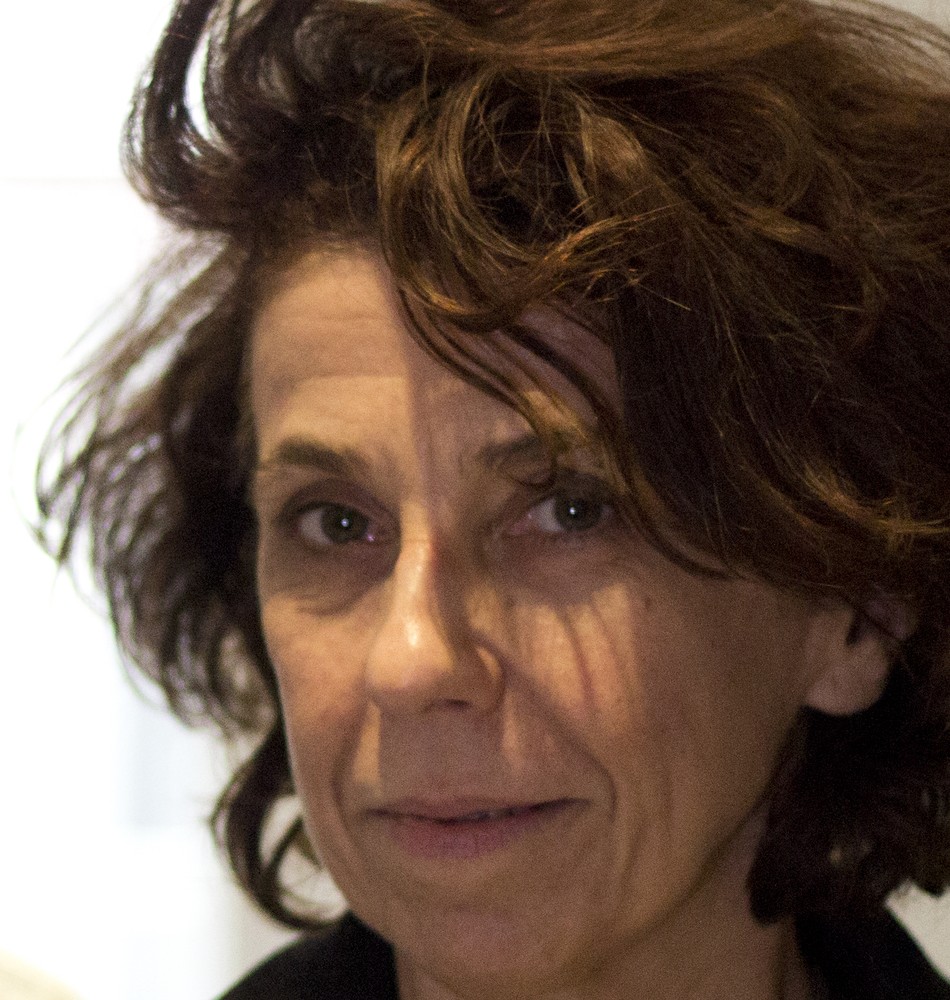
After working as a producer with a focus on international co-productions among which Leolo, screened in the official competition at Cannes in 1992, Isabelle Fauvel created Initiative Film in 1993: the very first company exclusively dedicated to film development. Since then, she has been the privileged partner and advisor of writers, directors and producers for all matters regarding project and talent development.
Over the past 32 years, Isabelle has consistently widened the spectrum of her activities, spanning scriptwriting consultancies, talent scouting, book scouting, story editing, trainings and workshops... accompanying talents and producers, and offering them insightful advising during the whole project incubation period.
Isabelle is also a pioneer in bridging the gap between literature and cinema, which have always fed on each other. Within this perspective, she conducts book scouting and adaptation analysis, advising publishers in the promotion of their catalogues and supporting filmmakers to find their next story. Being at the core of connections, whether between these two sectors, or between partners and projects, Isabelle is the go-to matchmaker, creating sustainable links at all stages of development and fostering the professional growth of both emerging and confirmed talents.
As part of her expertise, Isabelle regularly holds talks and masterclasses during co-production markets, with more than 20 events to this day, including new collaborations with the recently created Tamayouz Ateliers Pro workshop (Morocco), the Linz ISFF Talent academy (Austria), and the Olot residency (Catalonia).
She is also a speaker at international universities and film schools, a tutor for Torino Film Lab - Next, an expert for Mediterranean Film Institute, ACE Producers and for a large number of programmes, also creating bespoke training programmes on demand, as in Cairo for D-CAF Festival of performing arts where she was in charge of the programme dedicated to film for 6 years.
Besides film events, she also ventures into publishing events. As such, she facilitated book adaptations during Étonnants Scénarios / Bamako and AdaptLab within the Torino Film Lab. She has also collaborated with Shoot the Book!, the crime novel festival Quais du Polar in Lyon, as well as Pro Helvetia's programme for Swiss publishers.
As a talent scout and consultant, Isabelle has contributed to the successful completion of several feature films selected for prestigious festivals such as the Cannes Film Festival, the Berlinale and Toronto International Film Festival, and won many (inter)national prizes like the Jury Prize and Caméra d'or award in Cannes, and even an Oscar for Best Foreign Film.
Based in Paris, Isabelle Fauvel and her team collaborate with companies all across the world. In 2023, Initiative Film turned 30. Staying true to her desire to nurture the development of scripts, projects, talents and specific methods, in January 2025 Isabelle founded Silence&Conversation, a pioneering company aiming at encouraging thought and reflection on the renewal of tools designed to foster and boost creation and the circulation of talent.
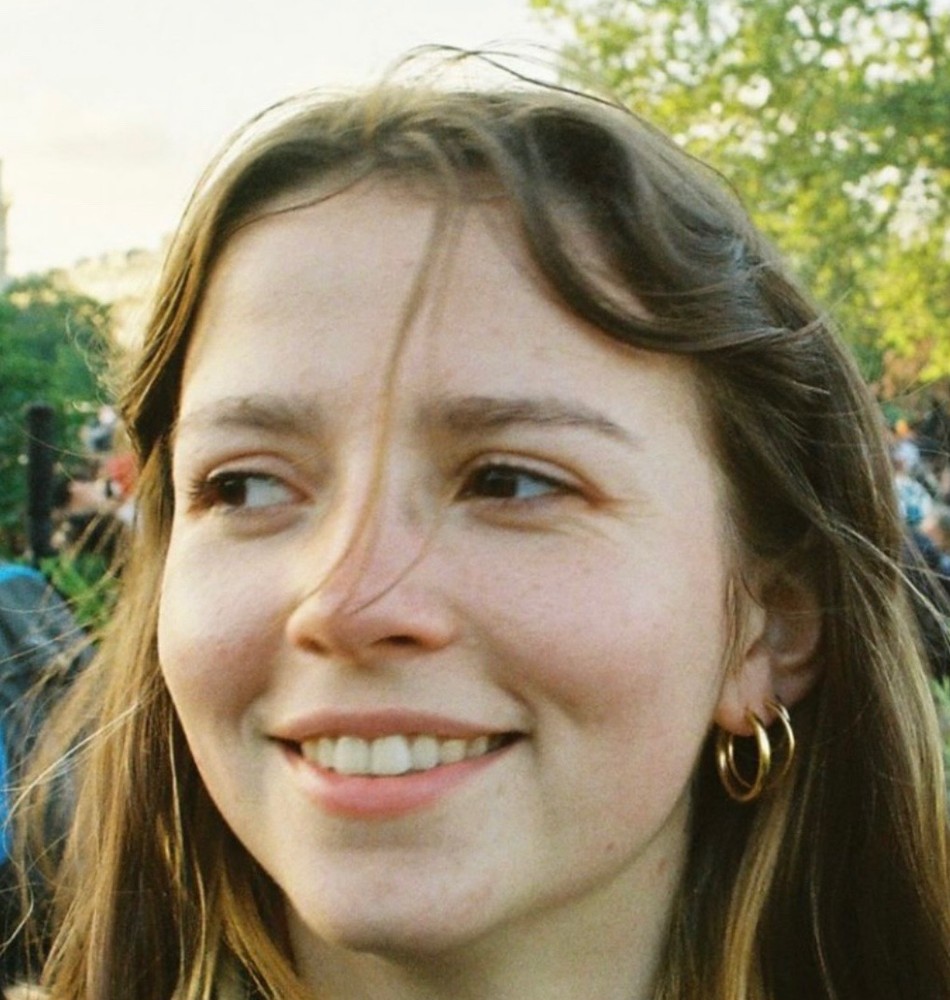
After completing her schooling in Marseille, Yaëlle moved to Paris to pursue a degree in cinema at Paris 1, which allowed her to discover her passion for screenwriting. Since then, she has been involved in numerous productions in various roles, including stage manager, assistant director, costume designer, and even filmmaker herself, particularly in stop motion.
Yaëlle is now pursuing a professional degree at Sorbonne Nouvelle on a work-study basis and, in this context, joined the Silence&Conversation team in 2025, bringing a fresh perspective from her generation and her new ideas.
Silence&Conversation was born of my 40 years in the film industry, 32 of which have been devoted to the exciting period of development: from the birth of an idea to the film's production, from the project to the film, from desire to reality.
This unique activity has taken me all over the world and given me a wide range of responsibilities. I have dealt with thousands of projects and hundreds of professionals at different stages in their careers and ambitions, on a wide variety of assignments. Invited to share their questions, doubts, desires, opinions, visions and, of course, projects, it has appeared to me that I had never addressed the full scope of this crucial stage in the maturation of a project.
Although the importance of development is now recognised internationally, giving rise to new professions born of the need to support talent, I have been witnessing interventionist drifts in the course of this fragile process, gradually leading to a levelling out of projects. A levelling out from the middle, a standardization of form and a loss of diversity of content. Above all, I have observed a paradoxical shift away from talking about mise-en-scène, where there is no longer any room for evoking the cinematic nature of a project, as if assessing the script were enough.
Over time, I have noticed that freedom of form and content is being curtailed in the name of the so-called industry, while the latter is barely registering more ticket sales by indirectly imposing this subtle form of normalizing censorship, while simultaneously wielding the paradox of wanting original talents to emerge. Year after year, I see the risk of confusing nurturing with control when supporting talent and writing. The risk is that we size up films so that, like the tasteless fruit and vegetables on our supermarket shelves, they fit in the boxes, flatter readers at first glance in their role as first viewers, and meet the supposed needs of a globalized market.
Realizing that while it was possible to make more and more films it was increasingly difficult to make cinema, I questioned my personal responsibility. The concern that I might be participating in this drift, in one way or another, led me to reflect, and reflection led to change.
The desire to take a step back and propose something different was a formidable spur to initiate this new professional turning point, and to get back to the roots of a pioneering way to tackle the development process. It was then that I realized the importance of the notion of silence in order to concentrate fully on the act of creation.
Inviting in silence, followed by sustained conversation, sets us apart from the constant chatter of the contemporary world, frees us from the reign of opinion and provides the ultimate way of confronting ourselves and others.
Silence&Conversation is built around a new philosophy that embodies different methods and ambitions, and positions itself as a place for R&D where the idea of transmission presides. The ideas of fostering reflection and confronting it, of opening up areas of freedom far from the diktat of opinion, of inventing in a more specific and exclusive way, are at the heart of the reinvention of the structure in order to offer:
But above all, to open up a new range of possibilities by rethinking our way of working in the light of recent developments in the creative field and in those who nurture it.
Since its foundation in 1993, Initiative Film has explored the development sector in depth, working on predominantly international projects at every stage in the writing process.
This unique experience, which has allowed us to work with hundreds of talented individuals and production companies, results in a level of expertise that Silence&Conversation intends to continue offering in the following areas:
Three longstanding activities, the legacy of 32 years devoted to development by Initiative Film, are being taken over by Silence&Conversation.
Devised to provide a thorough analysis of projects - whether at the development stage or with a very advanced script - these consultations enable everyone to take a step back and see if the work done meets all expectations, both those of the professionals involved and those of the bodies from which the project needs to secure funding.
Consultations that systematically consider the filmmaker's vision and approach to directing, which involves reviewing their previous work. A one-off consultation may be helpful, especially if writing has slowed or come to a standstill; alternatively, if ongoing support is required, story editing may be considered.
Whether alongside consultations or independently, the accumulated experience in film development helps guide producers through their projects, refine their strategy and, above all, anticipate the key stages so as to better manage the development timeline and its implications for the creative team. Such consultancy also provides access to the network of contacts that Initiative Film has built up over three decades.
While it is possible to identify filmmakers by viewing their work, identifying screenwriters cannot be done simply by examining a film's credits, because when there are several names listed it is very difficult to know who did what in the writing process. Silence&Conversation has inherited a unique database of 534 screenwriters of 31 different nationalities, representing a multitude of possible working languages in addition to English, as well as diverse sensibilities, technical skills and personalities.
The talents identified were selected on the basis of a review of their work and, in most cases, a meeting, so that when the time comes - and depending on the request - the right matches can be made with project leaders wishing to bring a screenwriter on board at any stage of the writing or co-writing process.
Depending on where they are in their career, the industry offers professionals an impressive number of workshops and an extensive network of labs, along with numerous writing residencies at the local, regional, national or international level, reflecting a genuine need for support during the loneliest phase of filmmaking: development.
In this context, the aim is to offer new opportunities to meet specific needs that we have been able to identify through 30 years of experience as tutors, mentors or curators. To safeguard our staunch commitment to independence in terms of transmission and, ultimately, creative independence, we must be prepared to turn down certain sources of funding that seek to influence both content and form.
The goal is to be and to remain confidential - in other words, not to be driven by the need to communicate constantly.
We must not seek to « manufacture » success at any cost simply to meet statistical targets that potential partners might demand, as this clearly affects the selection process (profiles, progress of development).
We do not promote ourselves on the basis of our participants' success, as the credit belongs to them.
We avoid dealing with « topics » that we do not wish to have imposed on us.
We steer clear of the proliferation of opinion-sharing.
And, above all, we avoid team-building exercises or other corporate practices that we consider inappropriate.
And, of course, we avoid using AI for the work we carry out together.
This is the spirit in which the transmission and training modules designed by Silence&Conversation are developed.
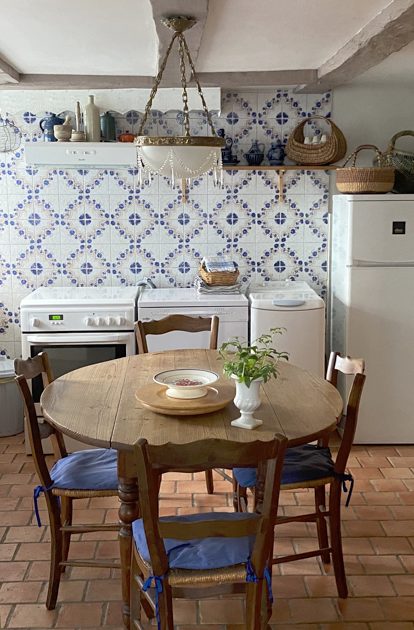
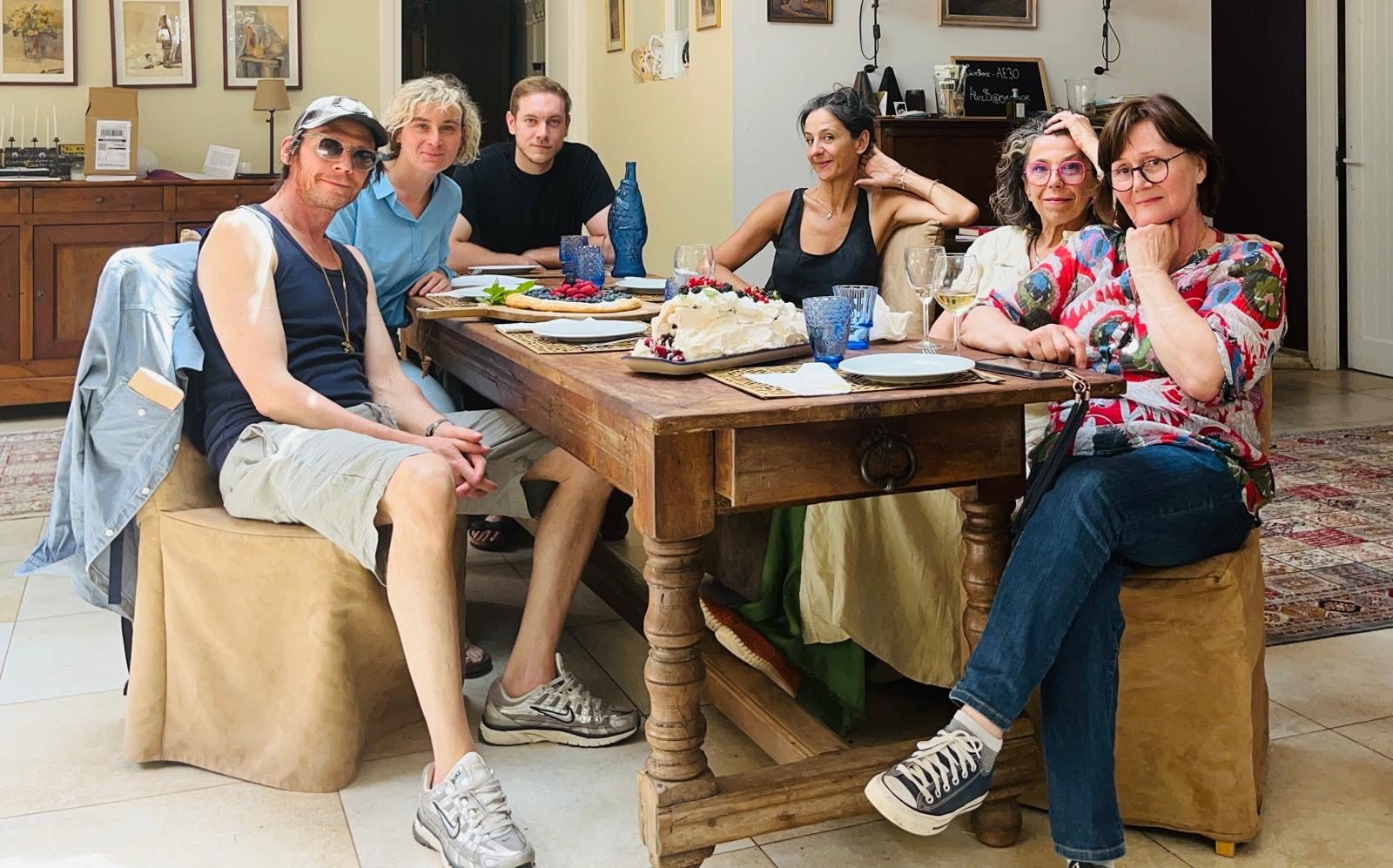
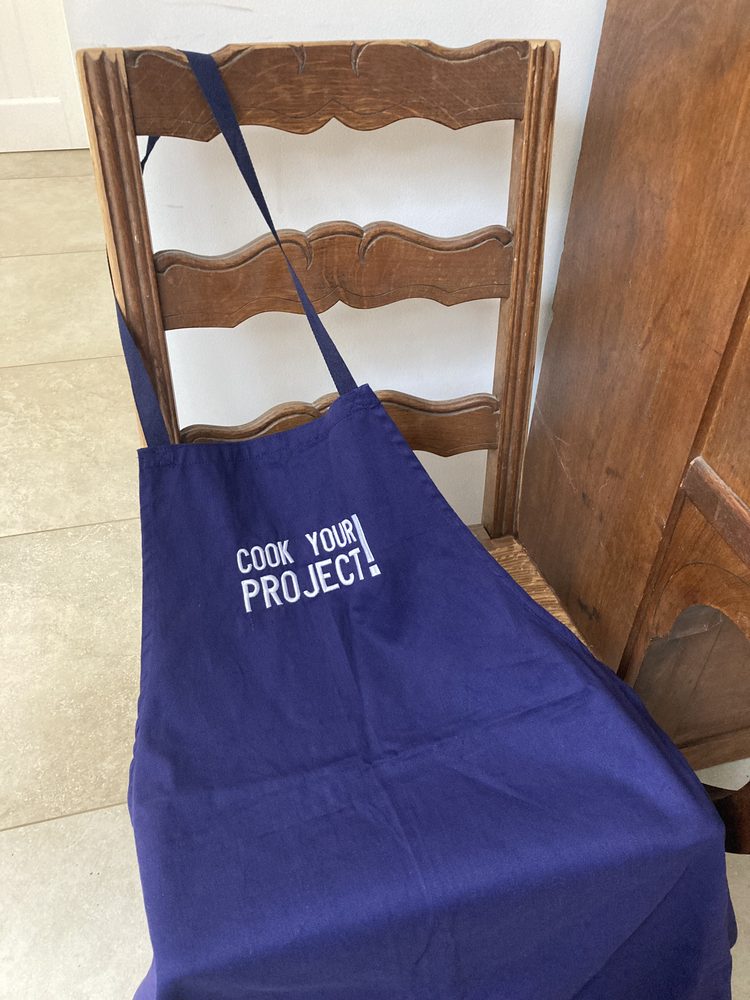
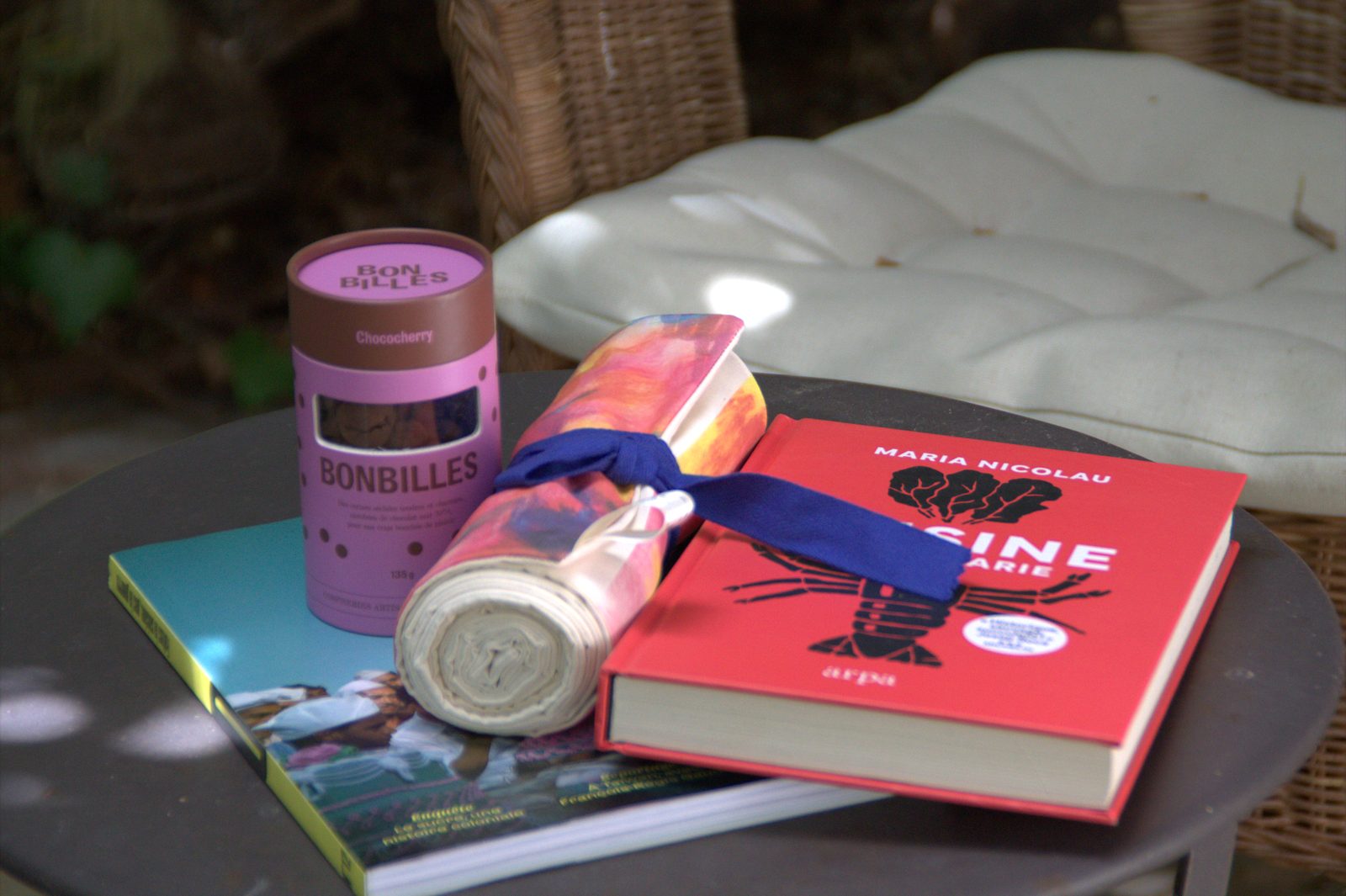
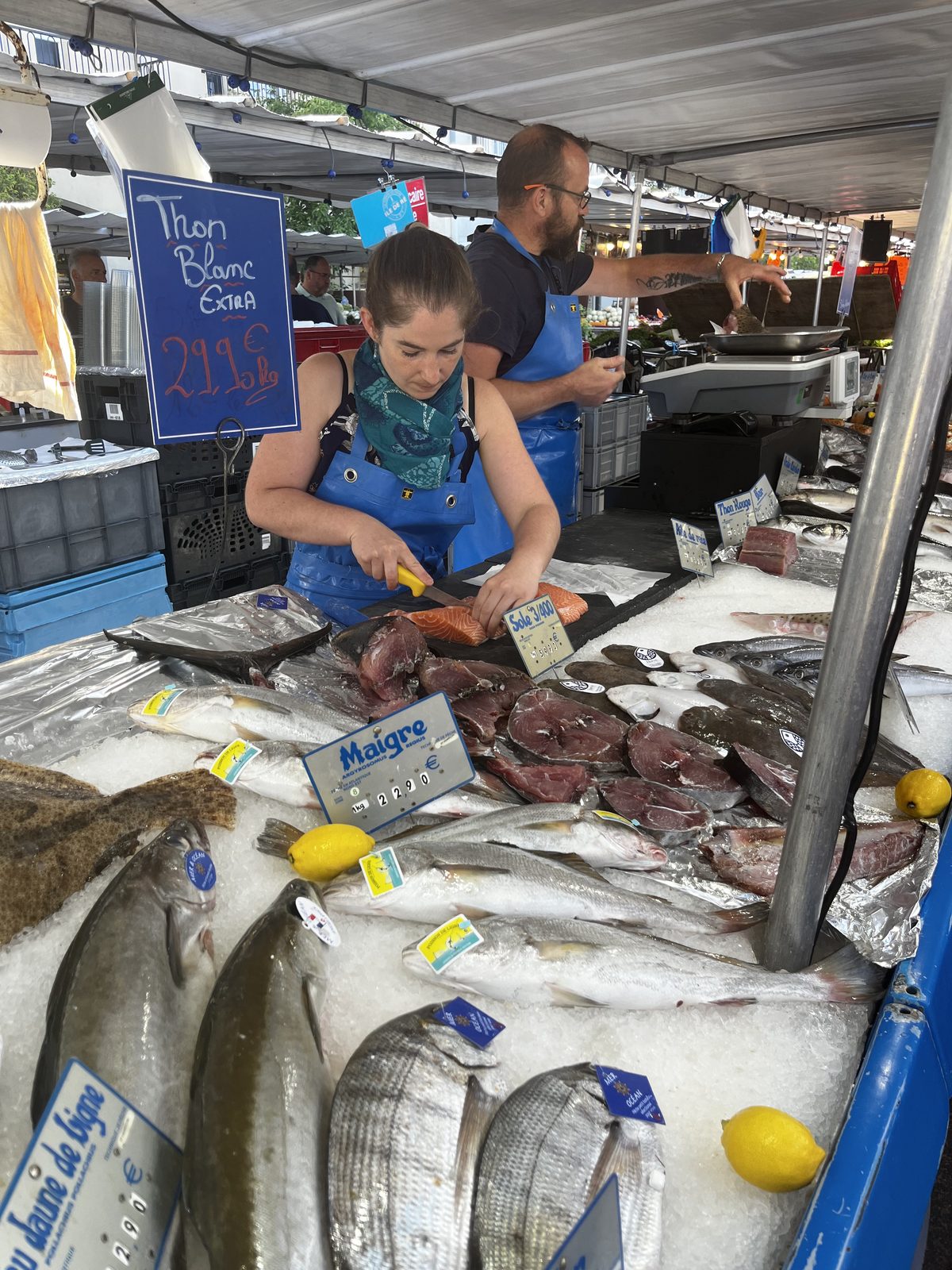
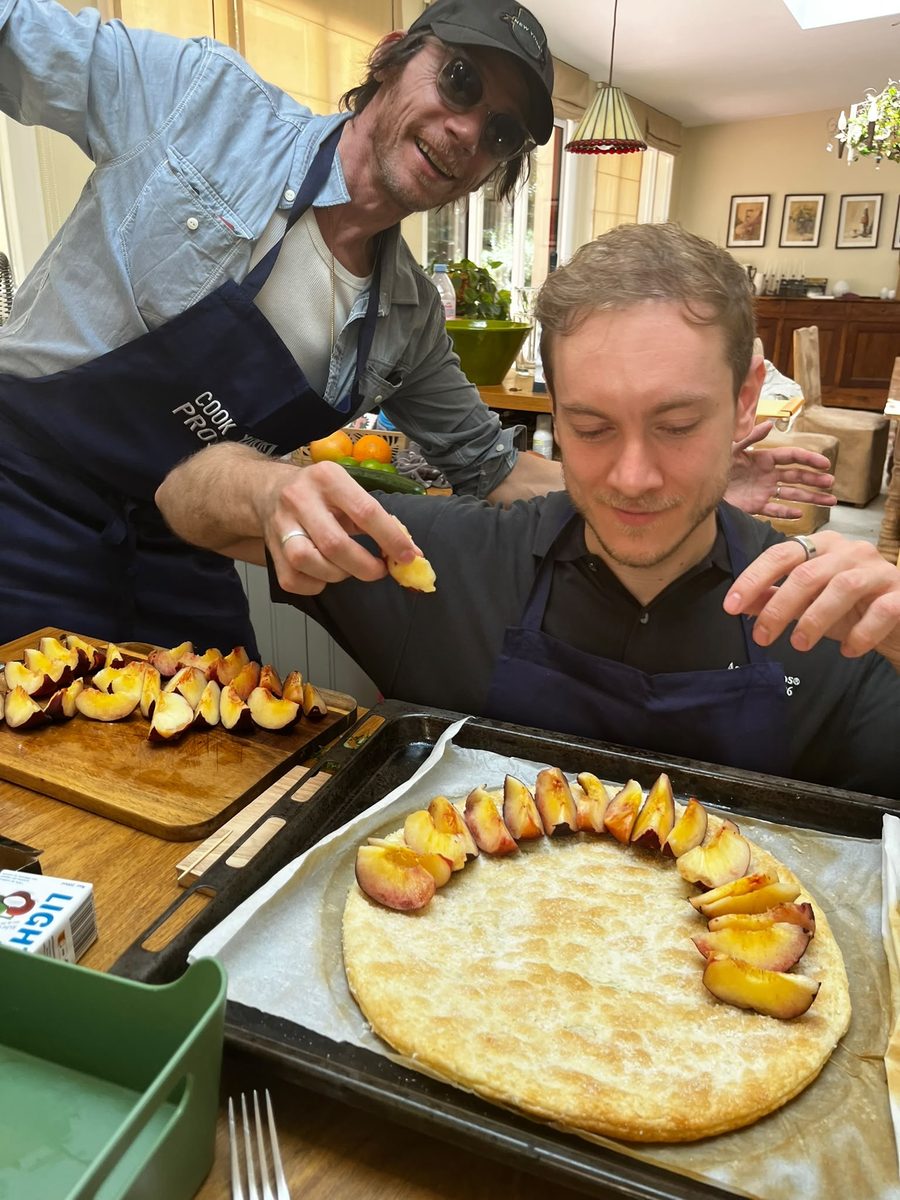
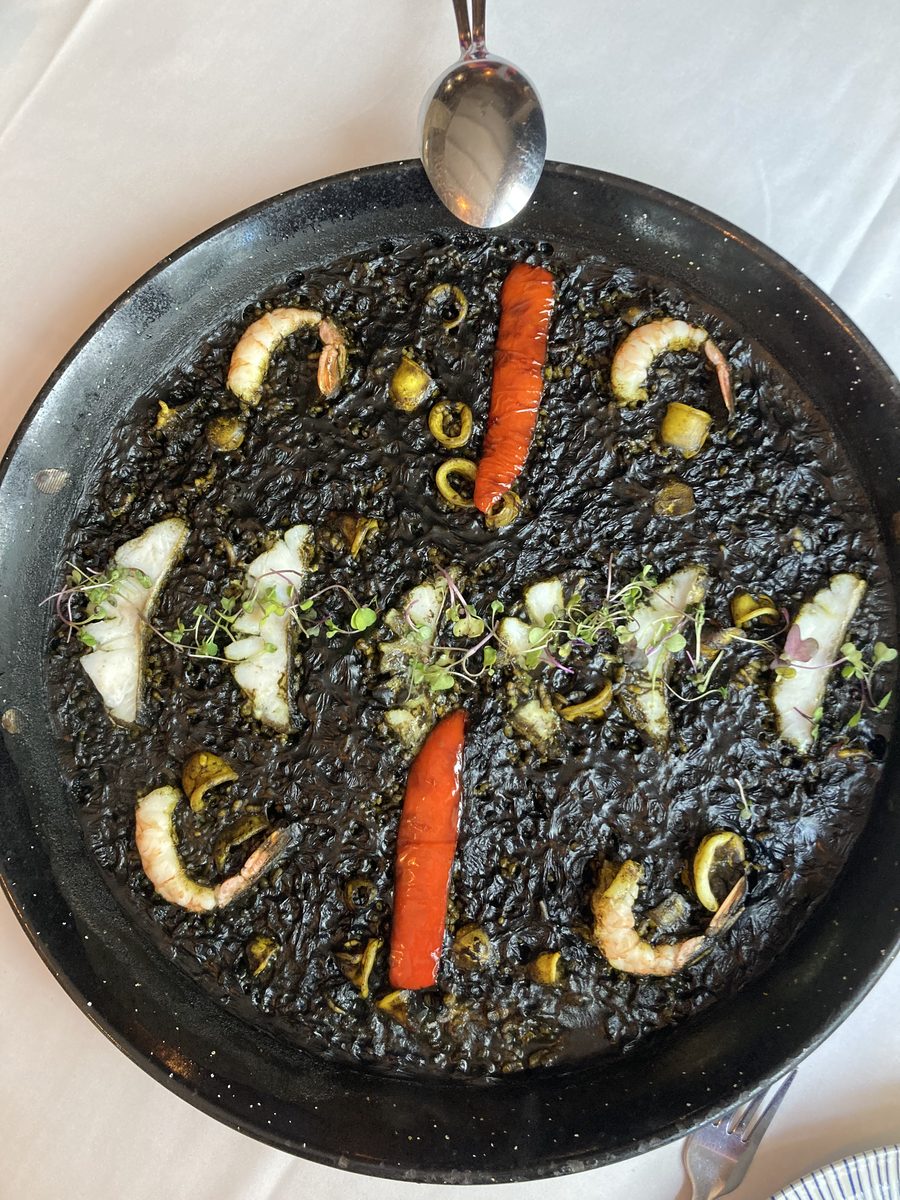
Four unique days to simmer your project. Blending cooking and writing, in groups and one-to-one.
Conceiving, writing and developing a project has a lot in common with cooking: chefs are authors. In the cosmopolitan world of gastronomy and bistronomy, some revisit tradition while others innovate.
Admittedly, writing a feature film - and especially producing it and bringing it to an audience - undoubtedly takes longer than preparing a meal, but other than that the parallels are striking. Getting hands-on, cooking while developing one's project can be inspiring; it can offer an interesting way to step back, to engage one's hands and senses when the mind needs a form of distraction that ultimately brings it back to the heart of its quest.
In both cooking and filmmaking, one must be wary of repetitive formulas, fixed menus or trends, in order to adapt to different worlds, imaginaries, cultural specificities of storytelling, and different stages of a career.
Cook Your Project has developed an original and innovative concept that consists in simultaneously blending two workshops: a writing workshop and a particular kind of cooking workshop, where the fundamental stages of project development are examined through the lens of culinary practice.
Over four days, participants will not only cook together; they will also benefit from several one-to-one sessions focused on their projects, as well as group conversations on mise en scène and their pitch deck.
The "Cook Your Project: original recipe" event takes place once a season, but it is possible to bring the concept to the city or country of your choice. We can travel there on request.
* The detailed programme for the workshop is its "recipe" and will only be revealed to participants once they have registered.
« This was the first workshop that made so much room for our own needs and pace. Catherine and Isabelle stayed attentive, available whenever we needed them, both in the kitchen and with our scripts - and in such a short time, I made huge strides in both. »— Cécilia Verheyden, Belgique (TIPPING POINT PRODUCED BY MIRAGE FILMS)
« When you write, there are moments when you simply don't know where your story should go. In those moments, the kitchen saves you ! Catherine (brilliant chef) helped us with our meal ideas, and we always ate really well. Cooking and screenwriting have more in common than one might think. The time spent in the kitchen also helped us get to know each other better, shift our focus, and then return to the story with fresh thoughts..Then Isabelle takes over and sees not only the project, but the whole person behind it. »— Ilya Gurskii (DEDAENA)
« In Catherine’s kitchen and in the back kitchen with Isabelle, in the company of talented strangers, one is inspired by both food and words. »— Amaury Voslion, France (LE GOÛT DU SANG PRODUCED BY SANDGATE PRODUCTIONS)
« Culture only has value if shared - just like food - thank you for a week of shared pleasures. »— Angelique Muller, France/MALTE (SUMMER ADRIFT)
« Feeling fulfilled by Isabelle and Catherine's generosity and expertise in their own fields. I now fully master both the theme of my film and the penny-bun mushroom-flavored polenta recipe - in the space of three days, that's not bad! »— Marlène Poste, France (Plan Loup)
« I had an intense and gourmet time, my belly got bigger as my script took shape! I'd highly recommend this experience to every filmmaker (except maybe to those on a diet...). »— Stéphane Vuillet, Belgium (Troisième homme, produced by Velvet Films)
« Around the stove, we simmer dishes and shape stories, driven by the burning need to tell and the passion for learning how to give form to what lives within us. »— Camille De Leu, Belgium (Montagne, produced by Roue Libre)
« Cooking and Cinema: two disciplines - a team sport and improvisation. »— Lucien Lepoutre, Belgium (À perte de vue, produced by Kwassa Films)
Designed entirely bespoke in terms of duration, dates and mentoring.
Since all projects are prototypes and project holders don't all have the same needs, pace, time available, or even resources, the idea here is to provide customized answers based on a simple principle:
A workshop fully tailored to your needs - in terms of dates, duration and chosen mentors.
T.O.D has scouted a pool of ten seasoned mentors from around the world (tutors, experts…) with the skills to guide and support the writing or rewriting process, or the development process more generally. Thanks to a curated network, T.O.D caters to your specific needs in real time, whether you need:
T.O.D identifies and recommends one or more mentors based on the specific needs and the number of projects involved (with a maximum of 4 projects per mentor). T.O.D then sends a mentor to a location of choice. This allows you to stay in your country or city, or to choose a strategic setting such as the shooting location of at least one of the projects - tackling location-based writing directly within the development process.
« As an emerging producer, I saw my authors grow more rapidly than in months of work in Brussels. I felt fortunate and delighted to have been able to launch this new line of workshops, TOD (Tutoring On Demand), which are adapted 200% to needs, people and projects. »— Lio Scailteur, Wise Up, Belgium
« Through metaphors that made the issues accessible to everyone, whatever our background, the group work was complemented by bespoke one-on-one sessions that allowed us to progress at our own pace. A 'safe space', which helped me regain my confidence. »— Clara Diet (Éveil, produced by Wise Up)
« This workshop allowed me to transform a raw idea into a structured and effective treatment. A valuable working framework that I highly recommend to students graduating from film school who also wish to gain insight into the professional realities they need to prepare for. »— Raphaël Kaddour, Belgium (Fred)
« In four days, I easily rediscovered the pleasure and momentum I needed to rework my project, deepen its characters, and better define my place as an author within the film. Our discussions were not without silences and digressions, which often end up nourishing, in their own way, the project and the desire for cinema. »— Jules Koechlin, Switzerland (Dix beuveries)
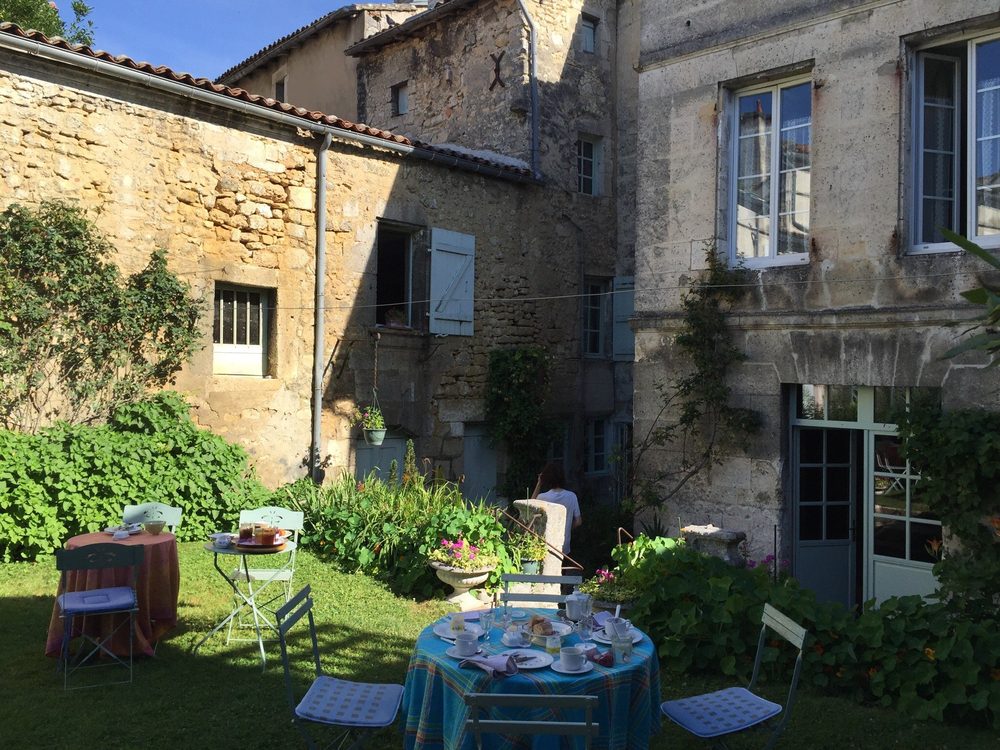
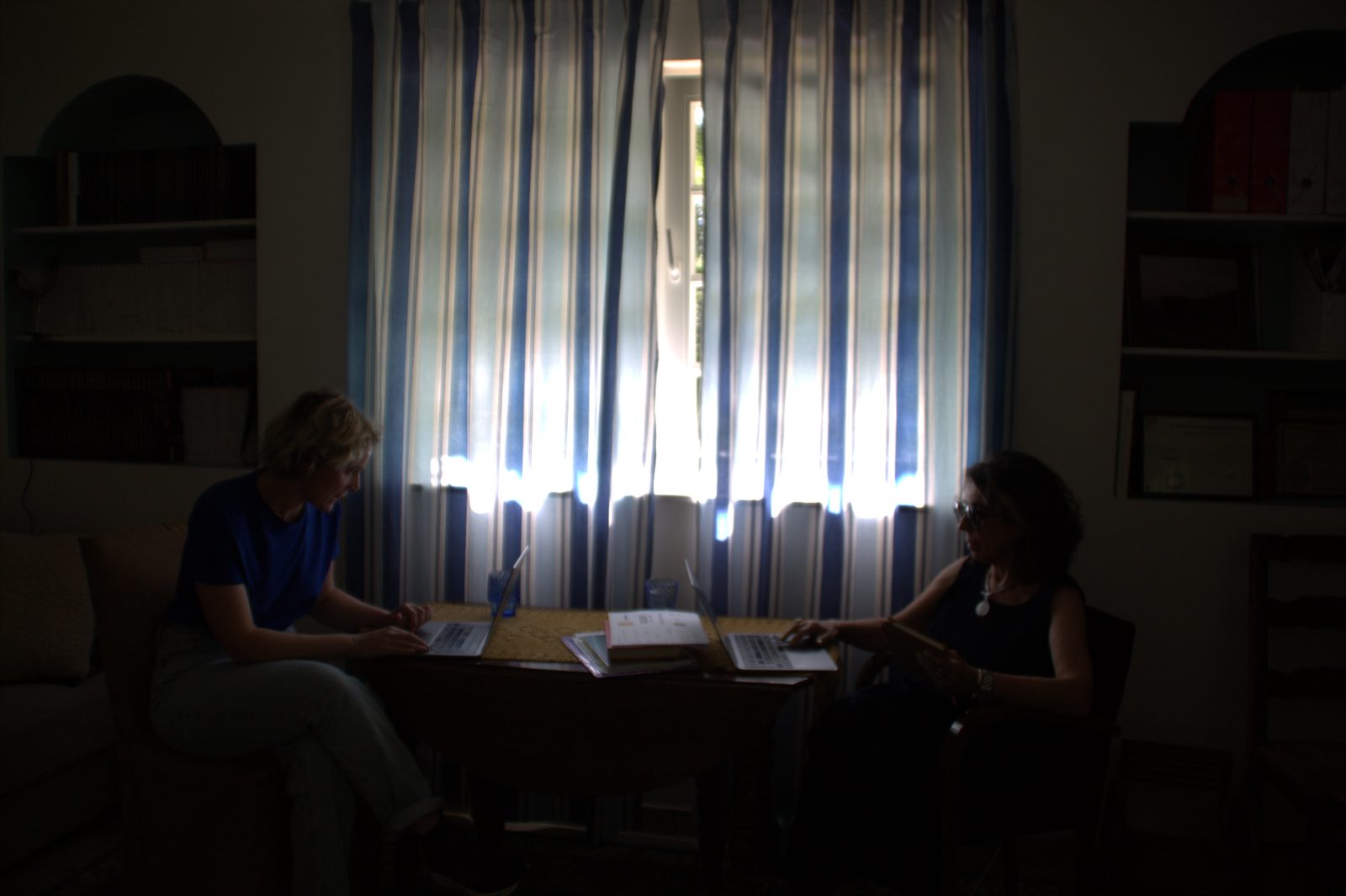
One weekend a month dedicated exclusively to writing, in an 18th-century house in the heart of Angoulême.
Writing a project - whether brand new or already well advanced - means maintaining a schedule to avoid missing any opportunity. Even when one is well organized, consistency remains the greatest challenge.
Being able to plan weekends dedicated exclusively to writing, rewriting and defining the positioning of your film projects makes it possible to:
At the heart of an 18th-century house, a haven of peace located in the historic center of Angoulême - a place for encounters and reflection, for listening and conversation.
It is possible to book one or several weekends, consecutively or not, depending on the level of follow-up desired and, above all, on the needs of the projects:
Or simply take the time and space to write, with the opportunity to reflect on one's work and expectations.
Silence, Breath & Conversations, Silence & Conversations, Writings & Signs, Play on Screen, One Location One Film.
How do silence and breath inform the act of writing in general, and screenwriting in particular?
In a world where all types of noise and distractions disrupt our thinking, finding or rediscovering inner calm in order to begin or resume developing projects often requires stepping away from what clutters our minds, disconnecting from networks, demands, and noise…
Far from a personal development program, the aim of this approach is to:
Silence, Breath & Conversations proposes an overall and sensory approach in which everything begins with confronting oneself, confronting what truly matters to express, free from unwanted influences. This process can lead either to breaking away from subjects one feels have been overused, or to renewing the way they are told.
* Even on days when silence isn't required, all dinners are taken in silence.
Inviting silence to focus fully on the act of creation - which, when followed by fostered conversations, stands apart from the constant chatter maintained by the contemporary world - frees itself from the reign of opinion. It is an ultimate way of confronting oneself and the Other.
This workshop proposes confronting silence and a certain form of isolation in order to fully concentrate on the act of creation. Then, at the end of the day, participants will meet with speakers from different fields, capable of fostering conversations that are not necessarily based on the text itself.
Silence&Conversations responds to the necessity to (re)discover the essence of the project one is developing, or even the very desire to write and direct.
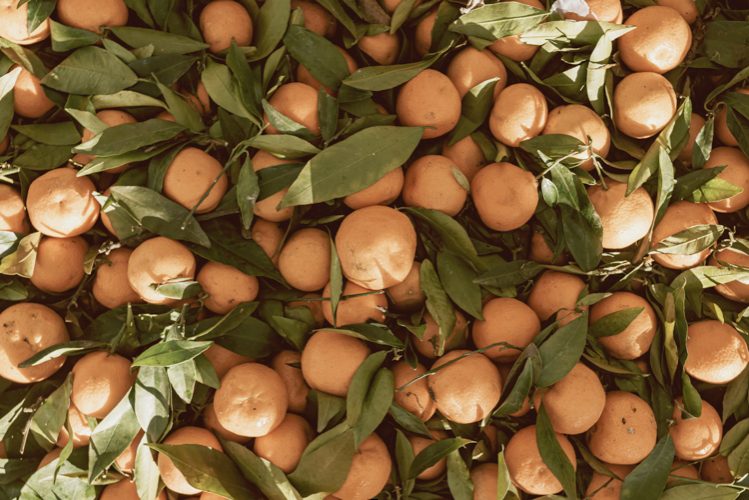
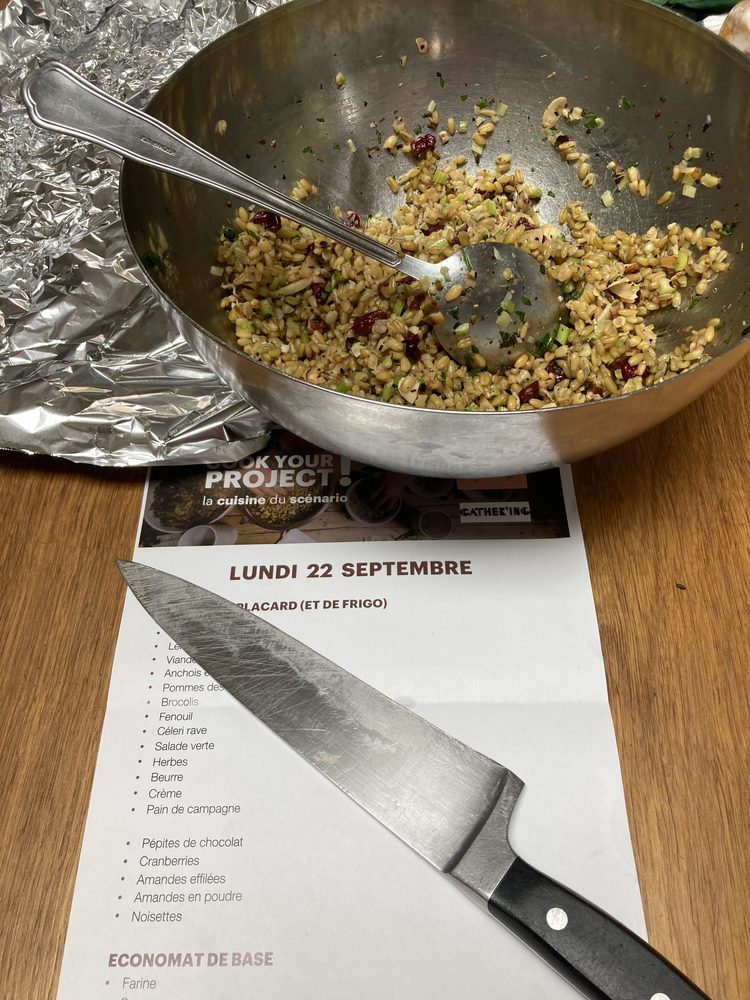





A selection of interviews and texts to extend the conversation on development, mise en scène and the fate of cinema.
A Cineuropa interview about Cook Your Project, on the place of mise en scène in contemporary development work.
READ ON CINEUROPA (IN FRENCH) →An interview with Isabelle Fauvel on the birth of Silence&Conversation, the evolution of development work and the need to reinvent its tools.
READ ON CINEUROPA (IN FRENCH) →Not so long ago, tomatoes had flavour. Does the younger generation even know that?
True, tomatoes were not graded, some were pretty ugly, greengrocers could not stock them for long in case they began to spoil and it was risky to transport them because they were so fragile. Fragile, less beautiful to look at but full of flavour, fragrant and rich in vitamins, without those chemical products that, alas, eradicate not only texture and taste but also our organisms.
I am talking about tomatoes today because I am afraid for films, afraid that films will no longer have any flavour or, worse, become a vector for the dominant culture and political correctness.
Thinking about this, even if I have been working in my own way on writing and development for the last 20 years, my head often spins on realising that this genuine desire to make a work echo the wishes of those who are behind it as closely as possible can lead to dangerous practices, both in the short and long term.
Indeed, for all those who confuse maieutics with eugenics, accompanying a cinematic writing project, a talent or a desire for cinema can soon lead to a calibration of the work so that films, like tomatoes, can fit in the crates, flattering the eye of the audience at first sight, and enriching the industrialists who transport them more easily…
Yet accompanying a work resides in the capacity of those undertaking such a task - script editor, co-writer or producers - to question the original text and the desire for cinema of the person at the origin of the project, to consider the initial promises, to guide it towards what can be done and not towards what must be done according to more or less accepted criteria. Without all that, the work no longer belongs to anyone and, like tomatoes, the film loses its flavour, character, fragrance and personality.
The current interventionism is a poison, and certain gurus who establish rules that they believe lead to success are to the cinema what pesticides are to agriculture.
In this process, it's no longer the desire for cinema that we question but rather the will to make yet another film for a market whose rules escape us, for otherwise we would have hit-makers, yet they do not exist.
In recent years, we have seen the damage caused by the appearance of rules and recipes that are supposed to have proved their worth, damage that has not contributed to the rise in the number of blockbusters that writing according to the prescribed rules promised to those who follow them to the letter.
So yes, true, films are better written technically, genuine page-turners as the American expression puts it, but this facility is often the first step towards mediocrity and blandness, imposed by the wrong guide or the wrong reader who simply corrects everything that does not correspond to the rules of dramatic art (revised and corrected by those who mix Aristotle and Truby in the same sentence). This blandness, be it in so-called art-house works or even in movies for the mass audience, leads to eugenics in the field of cinematic creativity.
And the paradox here is that in the cinema, unlike in high-yield tomato farming, the industry does not necessarily grow richer from these new practices as films do not cost any less and, apart from a few exceptions, do not make more money.
At a time when the lack of audacity and standardization have struck a large number of other industries, both within and outside the cultural sector, the key question that we need to ask is if we want the films that inspire us to work in the cinema to be forced to wait for an organic label to exist on or return to the market. A market whose demands are all too often twisted, interpreted and fantasised, a market that is now also a goal for both writers and directors who sometimes go even further than their producers along this path to commercial salvation.
What is the role of the artist in modern society if - as Jonathan Nossiter reminds us in his new film - he is no longer there to « call into question the power systems »? The obsession with the box-office is gaining ground along with, as he clearly states, « the impression that we, as artists and journalists, have abdicated our role as dissenters and discoverers of unexpected beauty. »
True, it is fundamental to keep the audience in mind but that is rarely the case. Instead, the focus is on the handful of deciders and their readers that need to be seduced to the extent of betraying oneself, to the extent of prostituting oneself without even knowing if these deciders and their readers have the expectations ascribed to them.
Each one incriminates the other on this path, and the issue of cinema is no longer really referred to.
Of course, even back when tomatoes had taste, some lived under glass, others had very scant sunshine, while a third group blossomed in the best spots, and the difference was in the plate and on the price tag. In a similar manner, films will not all become great works and even less masterpieces just because the creative process is called into question once again when necessary, but vigilance in the field of development is henceforth necessary if we don't wish to see the Monsanto of film production rear its head.
20 years ago, writers easily confused collaboration and interventionism, thinking that working in a team from the development stage would hamper their freedom. Today we have almost reached the opposite extreme, with endless differing opinions and the standards of dramatic art revised and corrected by those who turn them into reassuring textbooks solicited as an assurance of success or, at the very least, as a key to enter the much-vaunted market!
As the years pass, we lose all common sense and, in going from one extreme to the other, it becomes harder and harder to oppose the powerful swing movement underway. Harder, yes, but still possible, since other fields have shown us the monsters engendered by the obsession with the market to the detriment of common sense.
The fate of tomatoes, now threatened with becoming square, must inspire the vigilance that we need to demonstrate if we do not want future generations to forget that films once had flavour too…
— Isabelle Fauvel, Initiative Film
READ ON SCREEN DAILY →For any request for further information, application to a workshop or conversation around a film project, write to us.
Last updated: June 2026
The website silence-conversation.com is published by SILENCE&CONVERSATION, a simplified joint-stock company with a sole shareholder (SASU) with a capital of €10,500, whose registered office is located at 8 Cité Rougemont, 75009 Paris, France.
Ms Isabelle Fauvel, in her capacity as President.
OneProvider (Solutions OneProvider Inc.)
3275 Avenue Francis-Hughes, Laval, QC H7L 5A5, Canada
Phone: +1 (514) 286-0253 — oneprovider.com
All content on the site (text, images, graphics, logos, structure, layout) is the exclusive property of SILENCE&CONVERSATION or is used under licence. Any reproduction, representation, modification or adaptation of all or part of these elements, by any means whatsoever, is prohibited without prior written authorisation and constitutes an infringement punishable under Articles L.335-2 et seq. of the French Intellectual Property Code.
The site may contain links to other websites. SILENCE&CONVERSATION has no control over these third-party sites and accepts no responsibility for their content or their privacy practices.
The information provided on the site is given for guidance only. SILENCE&CONVERSATION cannot be held responsible for errors, for any unavailability of features, or for the presence of viruses on the site.
The processing of personal data is detailed in our privacy policy.
This legal notice is governed by French law. In the event of a dispute, and after seeking an amicable solution, jurisdiction is granted to the competent French courts.
Website by Serenix.
Last updated: June 2026
SILENCE&CONVERSATION (SASU) — 8 Cité Rougemont, 75009 Paris.
Represented by its President, Isabelle Fauvel.
Email: contact@silence-conversation.com
This is a showcase website. No data is collected without your knowledge during simple browsing. When you voluntarily use the contact form, the following data is collected:
Your data is used exclusively to respond to your request and to follow up on our exchange. It is neither resold nor passed on to third parties for commercial purposes.
Processing is based on your consent (voluntary submission of the form) and, where applicable, on the performance of pre-contractual measures taken at your request (Article 6 of the GDPR).
Data from the form is kept for a maximum of 3 years from the last contact left without follow-up, in accordance with the recommendations of the CNIL (the French data protection authority).
Data is processed exclusively by SILENCE&CONVERSATION. The site is hosted by OneProvider (Canada); as the site is static, the host has no access to the data entered in the contact form. The delivery of form emails passes through a third-party service (Google/Gmail), located outside the EU, as part of processing the request.
The site uses no advertising cookies or audience-measurement tools. Technical local storage (localStorage) is used only to remember your language choice; it is strictly functional and allows no tracking.
Fonts are hosted on our own server; no data is transmitted to a third party in this respect.
Appropriate technical measures are implemented to preserve the security and confidentiality of your data, in particular via an encrypted HTTPS connection.
In accordance with the GDPR and the French Data Protection Act, you have the right to access, rectify, erase, restrict, object to and port your data, as well as to withdraw your consent.
To exercise these rights, write to contact@silence-conversation.com. If you believe your rights have not been respected, you can refer the matter to the CNIL — www.cnil.fr.
This policy may change; the update date appears at the top of this document.